
Certified Nickel Free™
We design, test, and re-test so your skin doesn’t have to.
Anyone can claim nickel free; in fact, many do. But Nickel Smart® and Nickel Zero® are the only Certified Nickel Free brands in the world.
Our standard is zero nickel. Every production run is designed, tested and re-tested. If even trace amounts of nickel are found during testing, we reject the entire production batch.
Titanium
Practically indestructible, titanium is an ideal option for anyone with multiple metal allergies.
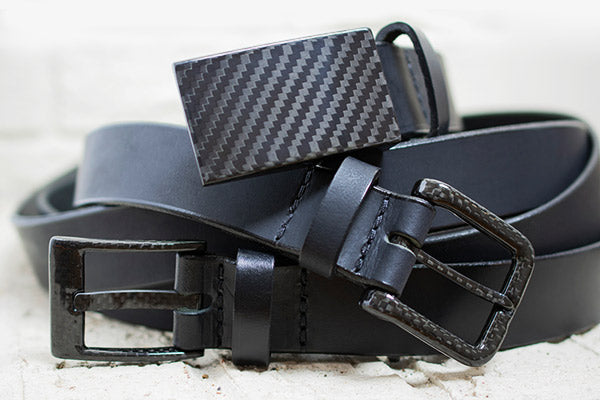
Carbon Fiber
No More Hassle! Breeze through security checkpoints and say goodbye to metal allergies.
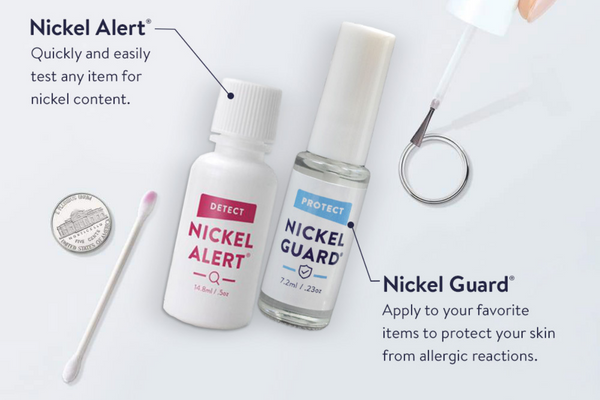
The Nickel Allergy Starter Kit™
A must have for anyone with a nickel allergy, this kit is Step One in skin protection.
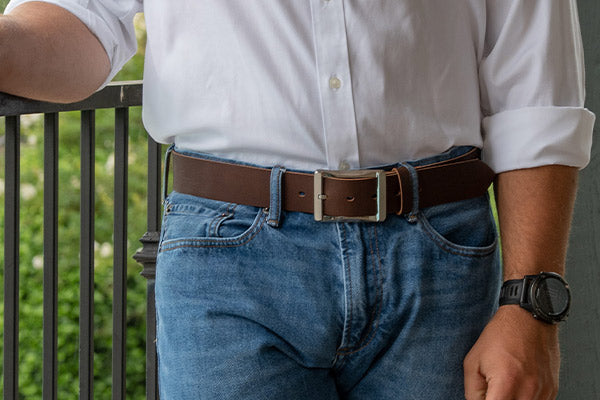
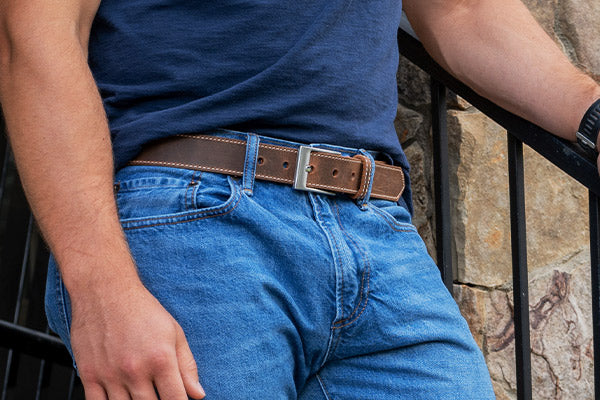
Nickel Free Work Belts
Durable nickel free work belts - perfect for long days and tough jobs!
Nickel Smart®
Nickel Free Goods You Can Trust™
Nickel Zero®
Our Brand is Our Promise™
Trending styles that are easy on your skin and your budget!