
Nickel Allergy Symptoms
Common symptoms of allergic contact dermatitis to nickel:
Nickel allergy is a very common form of dermatitis called allergic contact dermatitis or ACD. A rash develops after contact with nickel and may have the following characteristic(s): red, itchy rashes, raised bumps on the skin or swelling, welts or hives, cracks or fissures in the skin, dry patchy skin resembling a burn. It is common for the symptoms to worsen with increased nickel exposure. Without treatment of the nickel allergy rash, the skin may become leathery and hard.
Causes of a nickel allergy reaction:
A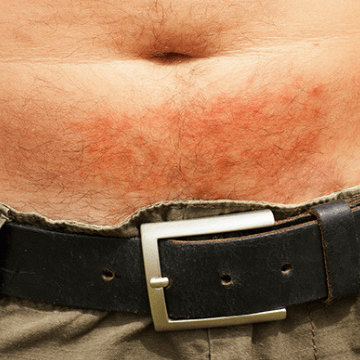 n allergic reaction occurs when your body responds to a usually harmless agent, releasing the chemical histamine and causing a number of uncomfortable symptoms. Piercing is a major cause of nickel allergy. When the skin is injured through piercing, it enables prolonged contact with jewelry which often contains a nickel alloy. Sensitization to that nickel can take a week, a month, or even years to occur but once a person has become sensitive to nickel, the potential for an allergic reaction typically lasts for a lifetime.
How long does it take for nickel rashes to appear?
Nickel allergy is considered a delayed Type IV allergy, meaning an allergic reaction may occur up to 48 hours after contact with nickel. For some nickel allergic individuals the symptoms may begin as soon as contact is established, for others it may take a day or more.
How long does it take for nickel rashes to go away?
Even after the nickel is removed from skin contact, it may take two to four weeks for symptoms to disappear.
How is nickel allergy diagnosed?
A dermatologist or allergist should be consulted for diagnosis. The physician may make a diagnosis based on patient history and symptoms that are present. However, a patch test may be required for definitive test results.
What is the treatment for nickel allergy?
There is no cure for nickel allergy. Avoidance of nickel is essential for remaining symptom free. Your doctor may prescribe medications to reduce the inflammation.
Copyright © 2003-2025 Athena Allergy Inc. All rights reserved